
Starlink has officially entered the Indian market with a premium satellite internet service priced at ₹8,600 per month plus a one-time ₹34,000 hardware fee, aiming to bring high-speed connectivity to underserved rural and urban areas.
Starlink’s Entry into India: An Overview
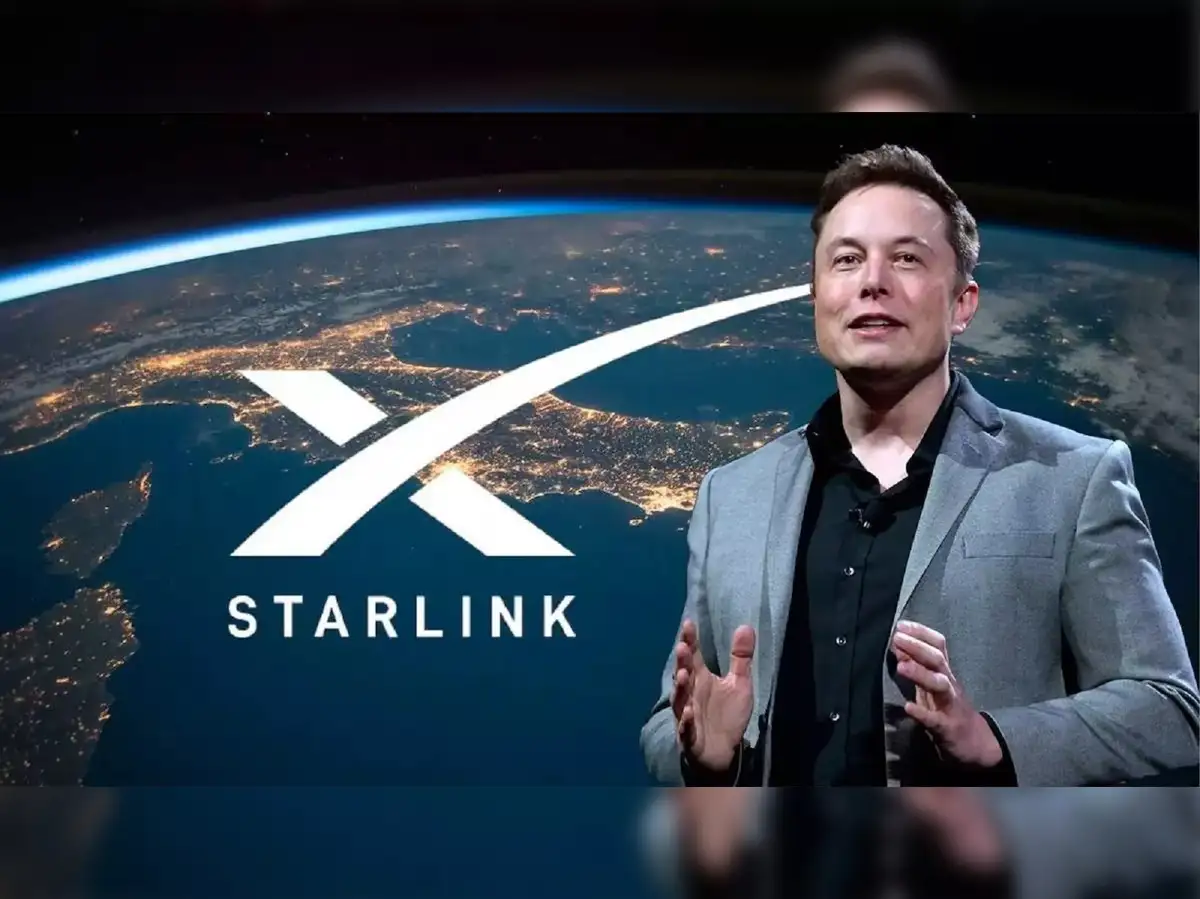
Starlink, the satellite internet venture led by Elon Musk’s SpaceX, has made its official debut in India, marking a significant milestone in expanding reliable internet access across the vast country. After months of regulatory approvals and technical preparations, the company has announced its pricing and immediate plans for Indian users. The service aims to bridge connectivity gaps, especially in rural regions where conventional broadband infrastructure is limited or unreliable.
Elon Musk has expressed a vision for India that centers on connecting rural populations to dependable internet, which aligns with broader government goals to enhance the nation’s digital infrastructure. Maharashtra has already become the first Indian state to formally collaborate with Starlink, demonstrating early government engagement and eagerness to leverage satellite technology for better connectivity.
Pricing Structure and Service Features
Starlink’s pricing positions it as a premium internet service in India. The company has set the monthly subscription fee at ₹8,600, which includes unlimited data usage. However, this comes with a substantial one-time hardware cost of ₹34,000 to cover the Starlink satellite dish and related equipment necessary for service activation. Additionally, Starlink offers a 30-day free trial to allow customers to experience its internet service risk-free.
For reference, this pricing is significantly higher than most existing fiber-optic broadband plans in metropolitan areas, which raises questions about immediate affordability for mass adoption. Nevertheless, experts suggest that the premium cost is justified by the unique satellite-based technology that provides broad coverage even in remote locations where laying cables is impractical or uneconomical.
At present, the company has established hubs in major Indian cities such as Mumbai, Delhi, Noida, and Pune, although the exact areas of initial availability remain to be formally announced pending regulatory clearances. Commercial packages tailored for businesses are expected but have not been publicly priced yet.
Impact on Indian Internet Landscape and Future Prospects

“Starlink’s premium pricing reflects the advanced technology and infrastructure costs, but in the long term, it promises to transform internet accessibility for rural India, where traditional broadband options are scarce or unreliable.”
Starlink’s entry into India is anticipated to have multiple effects on the country’s internet landscape. Its satellite-based service can provide high-speed internet to underserved regions that fiber networks have not yet reached. This can empower students, small businesses, healthcare centers, and local administrations in rural districts by bridging the digital divide.
While the current cost structure may limit wide adoption immediately, many see Starlink as a cornerstone for future market competition that could drive broader availability and possibly lower prices over time. Furthermore, the government's collaboration with Starlink, especially at the state level, indicates a strategic interest in integrating satellite internet into India’s digital growth ambitions.
Experts also note the benefits of Starlink's unlimited data offering and potential for greater internet reliability, which could enhance educational and economic opportunities. However, skeptics argue that for Starlink to be truly transformational on a mass scale, pricing adjustments or subsidized plans might be necessary to reach lower-income populations effectively.
“Satellite internet is a game-changer, especially for remote areas. But the challenge will be making it affordable enough for the people who most need it.”
As SpaceX continues to launch new Starlink satellites globally, it fortifies the network's capacity and reliability — a factor likely to benefit Indian users as well. The company's ongoing investment in satellite technology suggests a long-term commitment to expanding service quality and geographic reach.
Conclusion
Starlink’s launch in India introduces a high-speed satellite internet service with a premium pricing model designed to serve both urban and rural customers. While its costs exceed many existing broadband services, the promise of reliable connectivity in traditionally underserved areas sets it apart. The partnership with state governments, including Maharashtra, reflects a growing synergy between private innovation and public infrastructure goals.
This new option broadens the internet landscape and paves the way for future developments in satellite broadband. However, for Starlink to fully achieve its vision of inclusive connectivity, it will need to balance technological prowess with affordability considerations in the coming years.

All about Apple Fitness+ launch in India - December 2025
Apple Fitness+ is set to launch in India on December 15, 2025, offering users access to diverse guided workouts, real-time performance metrics, and pe

Adani Group Enters Hotels and Hospitality
Adani Group announces ambitious expansion into India's hospitality sector, planning over 60 hotels tied to its airports and real estate to diversify r

San Francisco Power Restored After Massive Outages Causing Darkness
San Francisco residents and businesses regain power after a widespread outage on Saturday disrupted daily life, transit, and holiday shopping, with mo

India issues first statement after Hindu man lynched in Bangladesh
India has issued its first official statement condemning the lynching of a Hindu man in Bangladesh, as authorities there arrest 10 suspects amid risin


Subscribe to our mailing list to get the new updates!

Subscribe our newsletter to stay updated