- Russia Earthquake Today: 7.4 Magnitude Strike Off East Coast Sparks Pacific Alerts
- NATO Article 4 Explained: Russia Drones Spark Poland Talks
- Tech Hiring in India for freshers - Slowing Down ?
- Temperature and air Quality of New Delhi - Jan 2026
- Contaminated Water Crisis Indore - Is Tanker Water Safe For Drinking?
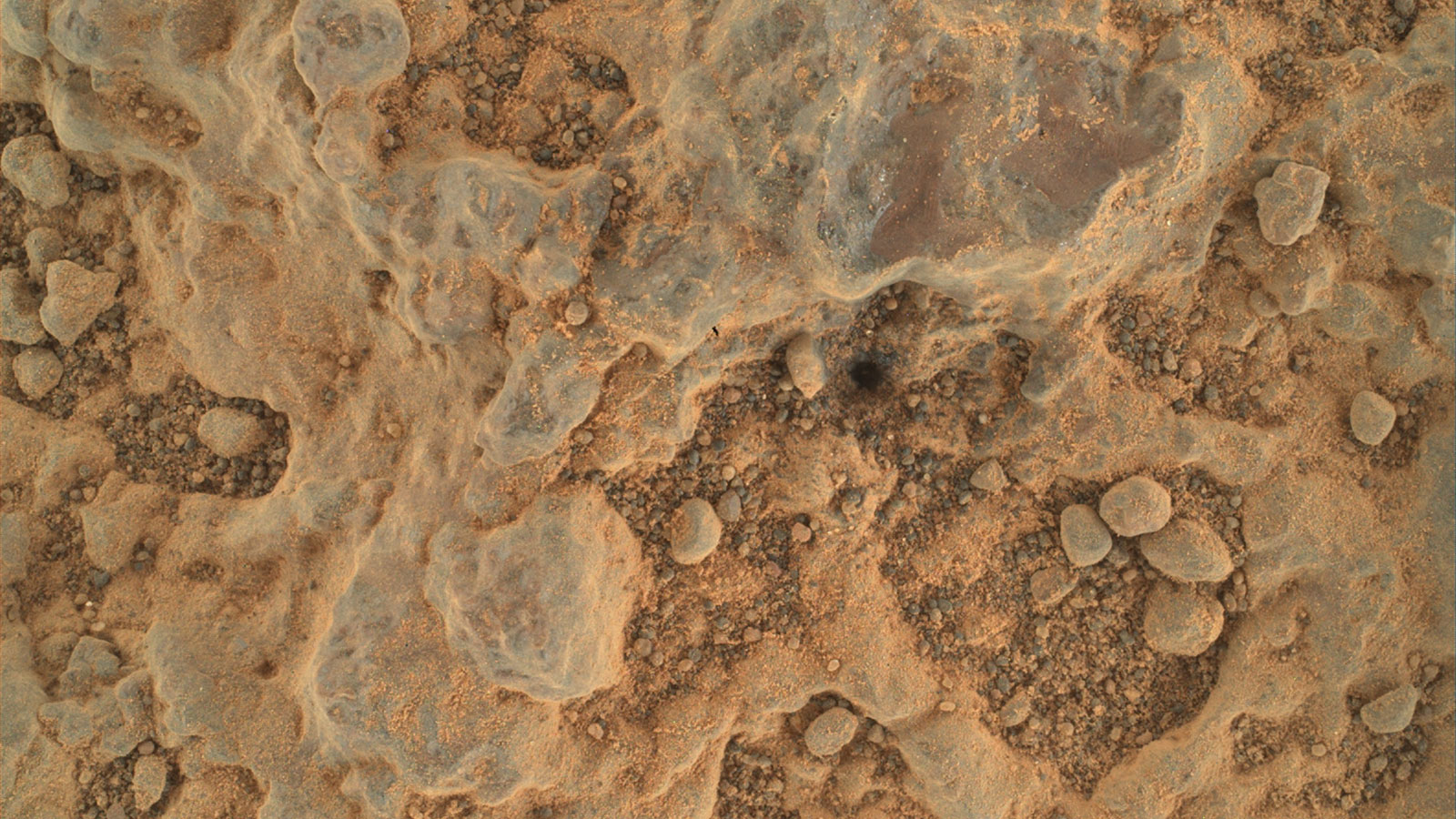
NASA's Perseverance rover made a groundbreaking discovery in July 2024 while exploring Jezero Crater on Mars. It encountered a rock dubbed "Cheyava Falls" in the Bright Angel formation, featuring intriguing "leopard spots" (white flecks) and "poppy seeds" (tiny spheres). Analysis revealed clay, silt, organic carbon, sulfur, oxidized iron, and phosphorus—chemicals that on Earth signal ancient microbial activity.
NASA’s Perseverance Rover Uncovers Potential Signs of Life in Mars Rock Sample

NASA’s Perseverance rover has sparked global excitement with its discovery of a Martian rock that may hold clues to ancient life. Collected in July 2024 from Jezero Crater’s Bright Angel formation, the rock, named “Cheyava Falls,” contains chemical signatures that scientists believe could be biosignatures from 3.7 billion years ago. This finding, detailed in a recent Nature study, marks a significant milestone in the search for extraterrestrial life. However, experts caution that Earth-based analysis is needed to confirm these tantalizing hints, amid concerns over funding for sample return missions.
The Cheyava Falls rock, described as arrowhead-shaped, was found during Perseverance’s exploration of Jezero Crater, a site believed to be an ancient lakebed. The rock’s surface displays “leopard spots”—white flecks with dark rims—and tiny spheres dubbed “poppy seeds.” Analysis using the rover’s SHERLOC instrument revealed a composition rich in clay, silt, organic carbon, sulfur, oxidized iron, and phosphorus. On Earth, such chemical combinations are often associated with microbial activity, particularly in fossilized forms, raising hopes that Mars once hosted life.
Published in Nature, the study emphasizes that these chemical signatures are the “clearest sign” yet of potential ancient life on Mars. The leopard spots resemble features found in Earth’s fossilized microbial mats, while the organic carbon and sulfur suggest biological processes from billions of years ago. NASA scientists, including astrobiologist Amy Williams, hailed the find as “promising” but stressed that non-biological processes could also explain the rock’s composition. The rock’s context within a once-watery environment strengthens the case for life but isn’t definitive without further study.
Perseverance’s mission includes collecting samples for the Mars Sample Return (MSR) program, a joint effort by NASA and the European Space Agency to bring Martian material to Earth for detailed analysis. Cheyava Falls, now sealed in a titanium tube aboard the rover, is a prime candidate for this mission. However, the MSR program faces challenges, with NASA’s budget cuts threatening its timeline and feasibility. Posts on X reflect public enthusiasm for the discovery but also frustration over potential delays in analyzing these samples due to funding issues.
The discovery has reignited debates about Mars’ habitability. Jezero Crater’s geological history, with evidence of water flows and sediment deposits, makes it an ideal location for such findings. Scientists hypothesize that if life existed on Mars, it likely thrived during a wetter, warmer period billions of years ago. The presence of organic molecules and minerals like those in Cheyava Falls supports this theory, but confirming biosignatures requires advanced Earth-based labs, as rovers lack the precision for conclusive tests.
Challenges and Next Steps
While the discovery is a leap forward, NASA faces hurdles in bringing Cheyava Falls to Earth. The MSR program, estimated to cost billions, has been criticized for its complexity and expense. Recent reports indicate NASA is exploring cost-effective alternatives, such as smaller missions or commercial partnerships, to retrieve the samples by the 2030s. Public sentiment, as seen in trending discussions on X, underscores the urgency of securing funding to unlock the secrets of Mars’ past.
The scientific community remains cautiously optimistic. Experts like Ken Farley, Perseverance’s project scientist, emphasize that while Cheyava Falls is “the most compelling sample yet,” only Earth-based analysis can distinguish between biological and abiotic origins. The rock’s unique chemistry, combined with its geological context, makes it a critical piece of the puzzle in understanding Mars’ history and potential for life.
A Milestone in Astrobiology
The Cheyava Falls discovery underscores the importance of continued exploration. NASA’s Perseverance rover, operational since February 2021, has exceeded expectations, collecting dozens of samples and covering vast Martian terrain. Its findings build on earlier missions like Curiosity, which also hinted at organic molecules in Gale Crater. Together, these efforts are reshaping our understanding of the Red Planet.
As NASA prepares for the next phase of its Mars exploration, the world watches closely. The possibility of ancient life on Mars, once a distant dream, now feels within reach.
The journey to confirm these findings depends on overcoming logistical and financial challenges. For now, Cheyava Falls stands as a beacon of hope, urging humanity to keep searching for answers among the stars.
Sources: Nature study (September 2025), NASA.gov updates, Axios article (September 11, 2025), and posts on X reflecting public reactions.

All about Apple Fitness+ launch in India - December 2025
Apple Fitness+ is set to launch in India on December 15, 2025, offering users access to diverse guided workouts, real-time performance metrics, and pe

Adani Group Enters Hotels and Hospitality
Adani Group announces ambitious expansion into India's hospitality sector, planning over 60 hotels tied to its airports and real estate to diversify r

San Francisco Power Restored After Massive Outages Causing Darkness
San Francisco residents and businesses regain power after a widespread outage on Saturday disrupted daily life, transit, and holiday shopping, with mo

India issues first statement after Hindu man lynched in Bangladesh
India has issued its first official statement condemning the lynching of a Hindu man in Bangladesh, as authorities there arrest 10 suspects amid risin



Subscribe to our mailing list to get the new updates!

Subscribe our newsletter to stay updated