
Michael and Susan Dell are donating $6.25 billion to fund "Trump Accounts" for over 25 million U.S. children, giving every kid born before 2025 a $1,000 seed investment for their future education and homeownership.
Michael and Susan Dell's Historic $6.25 Billion Pledge to 'Trump Accounts'
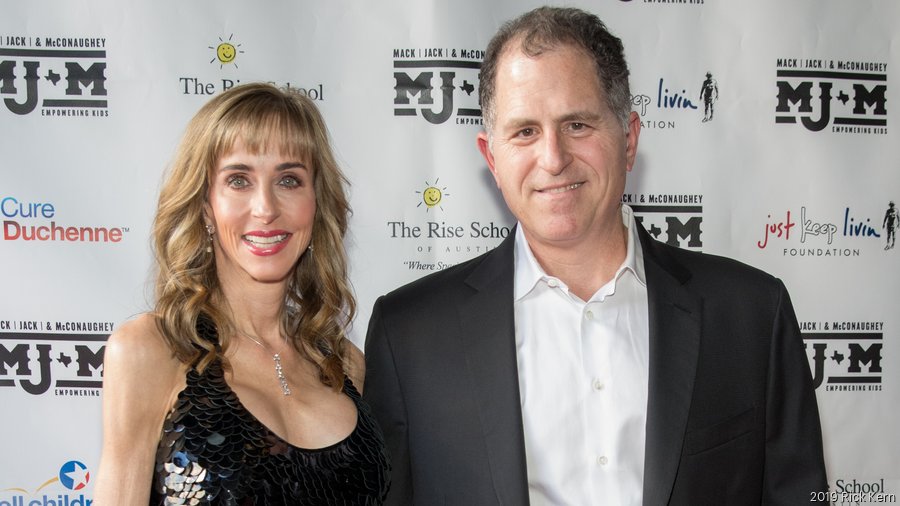
In a groundbreaking move that underscores the intersection of philanthropy and politics, Michael Dell and his wife Susan have announced a massive $6.25 billion donation to establish 'Trump Accounts.' These innovative savings vehicles aim to empower American families by providing tax-advantaged accounts similar to 529 plans but focused on broader financial security. The initiative, inspired by President Donald Trump's vision for economic opportunity, marks one of the largest single charitable contributions in recent history.
Michael Dell, the founder and CEO of Dell Technologies, revealed the donation during a high-profile event in Austin, Texas. The funds will seed a national network of 'Trump Accounts,' designed to help middle-class families build wealth through contributions from wages, inheritances, or government incentives. Supporters hail the program as a step toward financial independence, potentially benefiting millions by offering low-fee investment options tied to American innovation sectors.
The Vision Behind 'Trump Accounts'

'Trump Accounts' draw from President Trump's reelection platform, which emphasized policies to boost personal savings and reduce reliance on federal programs. The accounts would allow tax-free growth on investments, with withdrawals permitted for education, home purchases, or retirement without penalties. This model builds on existing financial tools but expands access, particularly for underserved communities, by integrating employer matching contributions and potential federal subsidies.
The Dells' commitment reflects their long-standing dedication to education and economic mobility. Through the Michael & Susan Dell Foundation, they have previously invested billions in global initiatives, but this donation shifts focus domestically to align with national priorities under the current administration. Experts predict the program could stimulate economic growth by channeling funds into U.S.-based assets, fostering long-term stability for participants.
Impact and Broader Implications
The $6.25 billion infusion is expected to launch pilot programs in key states, starting with Texas and expanding nationwide by 2026. Financial analysts project that if scaled, 'Trump Accounts' could add trillions to household savings over a decade, addressing wealth gaps exacerbated by inflation and market volatility. The initiative has garnered bipartisan interest, with discussions underway in Congress to provide legislative backing.
Critics, however, raise questions about the program's exclusivity and potential ties to political agendas. While the Dells emphasize neutrality, the naming after President Trump invites scrutiny over influence in policy circles. Nonetheless, the donation's scale positions it as a transformative force in American finance, potentially redefining how philanthropy intersects with public policy.
Michael Dell's Philanthropic Legacy
Michael Dell's journey from tech entrepreneur to major philanthropist began with the sale of his company in 2013, freeing resources for charitable endeavors. The couple's foundation has supported over 1,200 programs worldwide, focusing on children's health and education. This latest pledge elevates their impact, demonstrating how private wealth can drive systemic change in alignment with national goals.
As 'Trump Accounts' take shape, the Dells' bold step highlights the power of strategic giving. By targeting financial empowerment, the initiative promises to create lasting opportunities for generations, solidifying their role as key architects of a more prosperous America.

All about Apple Fitness+ launch in India - December 2025
Apple Fitness+ is set to launch in India on December 15, 2025, offering users access to diverse guided workouts, real-time performance metrics, and pe

Adani Group Enters Hotels and Hospitality
Adani Group announces ambitious expansion into India's hospitality sector, planning over 60 hotels tied to its airports and real estate to diversify r

San Francisco Power Restored After Massive Outages Causing Darkness
San Francisco residents and businesses regain power after a widespread outage on Saturday disrupted daily life, transit, and holiday shopping, with mo

India issues first statement after Hindu man lynched in Bangladesh
India has issued its first official statement condemning the lynching of a Hindu man in Bangladesh, as authorities there arrest 10 suspects amid risin


Subscribe to our mailing list to get the new updates!

Subscribe our newsletter to stay updated