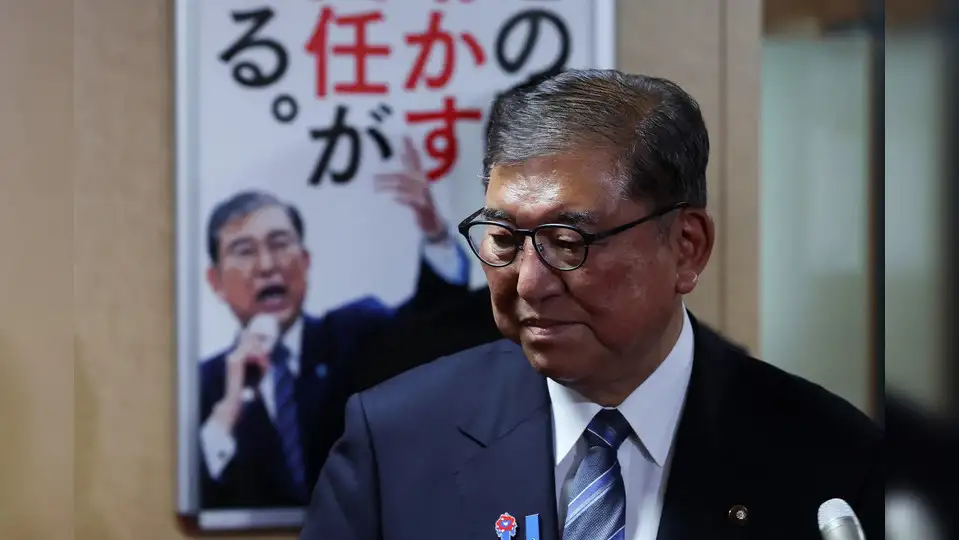
Prime Minister of Japan, Shigeru Ishiba prepares to step down after the LDP lost its grip on parliamentary majorities. The race is on to pick a new LDP president, who will likely become Japan’s next prime minister. With lawmakers and party members casting their votes, the process is sparking excitement and curiosity nationwide. Here’s how Japan will choose its next leader and what it means for the future.
Japan’s New Leader: Who Will Replace Shigeru Ishiba?

Japan is buzzing with anticipation as Prime Minister Shigeru Ishiba prepares to resign, following the Liberal Democratic Party’s (LDP) loss of majorities in both houses of parliament. With the world’s fourth-largest economy at stake, all eyes are on who will step up to lead Japan next. The process to choose the new prime minister is more thrilling and complex than ever. Here’s a simple breakdown of how Japan will pick its next leader and what it means for the nation.
The LDP Leadership Race
First, the LDP must select a new president to replace Ishiba. In the last race in September 2024, candidates needed 20 nominations from LDP lawmakers to run. Hopefuls will hit the campaign trail, engaging in lively debates across Japan. Both lawmakers and rank-and-file party members will vote, with nine candidates competing last time, and Ishiba clinching victory in a run-off.
How the LDP Vote Works
Each lawmaker gets one vote, matched by an equal number of votes from rank-and-file members in the first round. A candidate who wins a simple majority becomes the LDP leader. If no one secures a majority, the top two candidates face off in a second round. In this run-off, lawmakers still get one vote each, but rank-and-file votes drop to 47—one for each of Japan’s prefectures. In the rare case of a tie, a lottery decides the winner, as seen in a 2010 LDP upper house vote.
Parliament’s Role in Choosing the PM
The LDP’s new president isn’t guaranteed to become prime minister, as the party lacks a majority in both houses. Historically, alliances have shaped outcomes—like in 1994, when the LDP teamed up with rivals to elect a socialist prime minister. The lower house votes first, nominating candidates, including opposition leaders. A simple majority wins, but if no one secures it, a run-off between the top two follows. The upper house then votes, but only lower house members can become prime minister. If the houses disagree, the lower house’s choice prevails, as happened in 2008.
What’s Next for Japan?
The new prime minister may call a snap election to gain a national mandate, sparking fresh excitement. With Japan at a crossroads, the leadership race is a defining moment for the nation’s future.

All about Apple Fitness+ launch in India - December 2025
Apple Fitness+ is set to launch in India on December 15, 2025, offering users access to diverse guided workouts, real-time performance metrics, and pe

Adani Group Enters Hotels and Hospitality
Adani Group announces ambitious expansion into India's hospitality sector, planning over 60 hotels tied to its airports and real estate to diversify r

San Francisco Power Restored After Massive Outages Causing Darkness
San Francisco residents and businesses regain power after a widespread outage on Saturday disrupted daily life, transit, and holiday shopping, with mo

India issues first statement after Hindu man lynched in Bangladesh
India has issued its first official statement condemning the lynching of a Hindu man in Bangladesh, as authorities there arrest 10 suspects amid risin



Subscribe to our mailing list to get the new updates!

Subscribe our newsletter to stay updated